The modern supply chain depends heavily on the efficient movement of consumer goods, industrial raw materials, and agricultural products across vast distances. Day and night, commercial vehicles traverse the national highway system to ensure that grocery store shelves remain stocked, manufacturing plants receive critical components, and residential consumers get their internet deliveries exactly on schedule. Managing these massive, continuous logistical operations requires a delicate balance of careful cost control, strict regulatory compliance, and driver workplace satisfaction.
Operational leaders constantly look for innovative ways to optimize their expensive assets, lower daily overhead expenses, and minimize environmental impact. One of the most effective tools at their disposal is the auxiliary power unit. These compact, completely independent power systems have fundamentally transformed how long-haul transportation operates, providing a reliable source of electricity and climate control without requiring the primary truck engine to run. By integrating APU units into their equipment setups, transportation companies can successfully address some of the most persistent and costly challenges in modern logistics.
Reducing Fuel Consumption
Every business operating in the commercial transportation sector understands that diesel fuel represents one of the largest ongoing operational expenses. When long-haul operators pull into rest areas or highway truck stops for their federally mandated rest periods, they still require consistent power to maintain comfortable cabin temperatures and run essential personal electronic devices. Historically, the primary way to achieve this basic comfort was by leaving the massive primary tractor engine running all night long. This traditional idling practice consumes an incredible amount of diesel fuel over time, directly hurting the corporate bottom line.
By installing dedicated APU units, operational managers give their drivers an alternative way to power their sleeper cabs during mandatory rest cycles. These smaller secondary generators burn only a tiny fraction of the diesel fuel that a massive, high-displacement commercial engine requires to turn over. Over the course of a single operational year, the cumulative fuel savings achieved across a large nationwide fleet can represent a substantial financial recovery, allowing corporate leadership to allocate capital to other vital areas of business growth and expansion.
Limiting Engine Wear
Operating a heavy-duty diesel engine at low speeds for extended periods causes significant mechanical wear and tear on internal components. Prolonged idling creates severe carbon buildup, accelerates motor oil contamination, and places unnecessary stress on the expensive exhaust after-treatment system. When a primary engine runs constantly just to keep the cabin occupant comfortable, it rapidly accumulates hours of operation that do not translate into actual highway mileage. This phantom operational mileage forces maintenance teams to schedule routine oil changes, filter replacements, and complex system overhauls much more frequently than should be necessary.
Utilizing independent APU units allows the primary powertrain to rest completely whenever the commercial vehicle is stationary. By successfully transferring the heavy burden of cabin climate control and electrical generation to a smaller, dedicated system, transportation companies can drastically extend the overall service life of their primary powertrains. Consequently, they reduce the frequency of costly workshop visits, lower replacement parts expenditures, and maximize the long-term resale value of their heavy machinery.
Improving Driver Retention
The logistics industry faces an ongoing, highly competitive challenge when it comes to recruiting and retaining qualified, licensed operators. Professional over-the-road drivers spend days or weeks at a time working on the highway, making the vehicle cab their temporary home and sanctuary. Providing a comfortable, quiet living environment during mandatory rest periods is absolutely essential for driver health, mental morale, and overall highway safety. A well-rested operator is naturally more alert behind the wheel, less prone to making dangerous driving errors, and far more likely to remain satisfied with their current employer.
Integrated APU units ensure that operators can enjoy reliable heating during freezing winter months, powerful air conditioning during scorching summer heatwaves, and plenty of steady electrical power for personal conveniences like microwaves, refrigerators, televisions, and laptops. Investing in these secondary systems demonstrates a transportation company’s true commitment to frontline employee well-being, which directly translates into higher retention rates, better corporate loyalty, and significantly reduced employee recruitment costs.
Supporting Environmental Compliance
Governments, state agencies, and local municipalities continue to implement strict regulations regarding commercial vehicle exhaust emissions. Many regions across the country now aggressively enforce stringent anti-idling laws that carry heavy financial fines for commercial vehicles that leave their primary diesel engines running while parked. Fleet managers must find proactive ways to comply with these diverse legal frameworks without sacrificing the basic physical comfort and safety of their over-the-road personnel.
Implementing clean APU units provides a clear, legally sound path to total regulatory compliance. Because these compact auxiliary power generators produce significantly fewer atmospheric emissions than a fully operational tractor engine, they are widely permitted under local anti-idling ordinances. Utilizing this alternative technology allows nationwide logistics operations to completely avoid costly legal penalties, navigate restricted metropolitan zones with complete confidence, and significantly lower the overall carbon footprint of their corporate operations, aligning the business with modern sustainability goals.
Protecting Cargo Integrity
Maintaining consistent temperatures inside the main driving cabin is not the only climate control challenge faced by modern transportation companies. Some specialized vehicle configurations require continuous power support to ensure that auxiliary systems remain completely operational during extended shipping stops. While dedicated transport refrigeration units often have their own internal power sources, having reliable secondary power options onboard ensures that critical vehicle electronic infrastructure remains constantly active and protected.
Advanced APU units can assist in maintaining optimal battery health across the entire vehicle asset. By preventing the primary starting batteries from draining during long periods of inactivity, these systems guarantee that the main commercial vehicle will start reliably when it is finally time to return to the highway.
Optimizing Asset Utilization
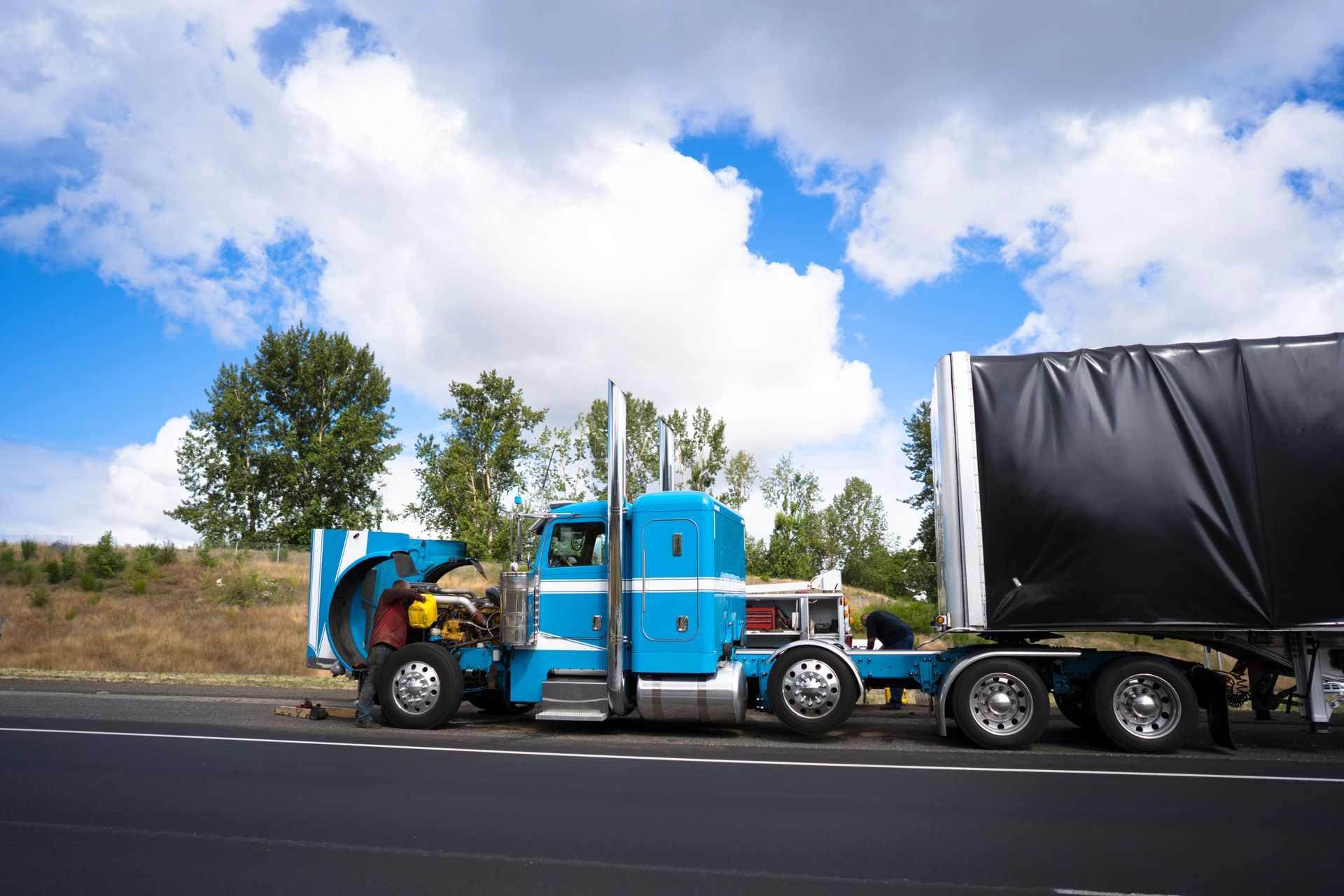
Maximizing the daily operational efficiency of every single vehicle in a corporate lineup is the core responsibility of strategic logistics leadership. Every hour a commercial vehicle spends sidelined for unexpected roadside maintenance or premature component failure represents lost revenue, wasted driver hours, and potential logistical disruptions for corporate clients who expect timely service. According to WIifTalents, the trucking industry moves approximately 72.6% of all freight tonnage in the United States. Given this immense macroeconomic responsibility, ensuring daily vehicle readiness is paramount for national commerce.
By integrating dependable APU units into their equipment specifications, operational leaders successfully safeguard their heavy machinery against premature mechanical degradation. The massive reduction in unnecessary vehicle vibration, exhaust soot buildup, and extreme thermal stress means that vehicles spend far more time on the highway moving goods and much less time taking up space in mechanics' repair bays.
The intense demands placed on modern transport organizations require a highly forward-thinking approach to capital asset management. Relying on outdated, traditional practices like overnight primary engine idling is simply no longer viable in a highly competitive market defined by strict emission standards, fluctuating operating costs, and driver shortages. Auxiliary power systems offer a comprehensive, proven solution that simultaneously addresses financial, mechanical, regulatory, and human resource challenges. By deploying reliable APU units across their fleets, logistics companies can drastically lower their fuel expenditures, minimize severe mechanical degradation, support environmental sustainability, and provide their drivers with the comfortable working conditions they truly deserve.
As the transportation industry continues to evolve and face new economic pressures, these innovative power solutions will remain a foundational tool for organizations striving to maintain peak operational efficiency and long-term business profitability. If you are ready to enhance your daily operations, protect your expensive equipment, and support your vital driving team, contact Dale's APU Sales today to discover how our tailored fleet solutions can optimize your business performance.